Let’s be real: plumbing issues love to show up at the worst times. Whether you’re dealing with leaks, annoying clogs, weak water pressure, or that toilet that just won’t stop running, you’re not alone. Here’s a breakdown of the most common problems—and how professionals tackle them—so you’ll know what to expect and when it’s time to call in help.
- Leaks: Finding and Fixing the Source
Ever noticed a damp spot on the wall or a mysterious puddle under the sink? Leaks can be sneaky. Here’s how pros hunt them down:
How the Pros Do It:
– Start at the fixtures: Check visible pipes and joints for drips.
– Run water in stages: See if a certain tap triggers the leak.
– Watch the meter: A spinning meter, even when everything’s off, means water’s escaping somewhere.
– Check pressure points: Joints, valves, and thin-walled pipes are common trouble spots.
– Document everything: Take photos and notes for future reference.
Pro Tip: Once the source is found, a plumber uses the right sealants or replacement parts, then retests the fix to make sure it’s holding. If you need expert help, consider contacting a team of professional plumbers in St Kilda for a thorough inspection and reliable repairs.
- Clogs and Blockages: Clearing the Pipe Path
Does water drain slower than you walk on Monday mornings? Clogs can be a pain, but there’s a method to the madness.
What to Look For:
– Slow drainage (sinks, tubs, showers)
– Gurgling noises
– Standing water
How the Pros Handle It:
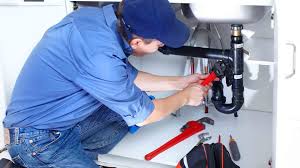
– Start small: Remove and check the trap (that U-shaped pipe).
– Use the right tool: Hand augers for hair and soap, drum snakes for deeper clogs, and plungers for surface blockages.
– Avoid harsh chemicals: They can damage your pipes and mess with septic systems.
– Test after each step: Always run water after clearing a clog to make sure the fix worked.
When to Call a Pro: If you’ve tried the basics and the water still won’t budge, it’s time for expert help.
- Low Water Pressure: Diagnosing Flow Issues
Nothing’s worse than a shower with barely a trickle of water. Here’s how to track down the culprit:
Steps to Diagnose:
- Check nearby fixtures: Is it just one tap or the whole house?
- Compare upstairs vs. downstairs: Pressure differences can point to specific pipe issues.
- Inspect aerators and cartridges: Unscrew your faucet tip and see if it’s clogged.
- Look for leaks: Sometimes, the pressure drop is from a hidden leak.
- Test the main shutoff and pressure-reducing valve: Make sure they’re fully open.
Pro Move: Plumbers use pressure gauges to get exact readings, then hunt down blockages or faulty valves.
- Running Toilets: Stopping Continuous Flushing
That toilet that never stops filling? It’s not just annoying—it’s wasting water (and money).
Common Causes:
– Worn-out flapper
– Faulty fill valve
– Misadjusted float
– Overflow tube issues
Quick Fixes:
– Replace the flapper if it’s warped or leaky.
– Adjust or swap out the fill valve.
– Set the float to the right height.
– Make sure the overflow tube isn’t cracked or too high.
Why It Matters: Fixing a running toilet can save gallons of water every day. Sometimes, a quick $5 part is all you need.
- Water Heater Troubles: Temperature and Efficiency
If your shower goes cold fast or your bill keeps climbing, your water heater might be the problem.
What To Check:
– Thermostat setting: Aim for 120–140°F.
– Sediment buildup: Drain and flush the tank yearly.
– Dip tube: A broken one means cold water mixes with hot.
– Burner or heating elements: For gas, clean the burner; for electric, test and swap out bad elements.
– Insulation: Add a jacket to your tank and pipes for better efficiency.
Pro Tip: Regular maintenance can make your water heater last years longer.
- Burst Pipes and Freeze Damage: Preventing and Repairing
Live somewhere cold? Frozen pipes are a nightmare waiting to happen.
Prevention Tips:
– Insulate pipes, especially in crawlspaces and garages.
– Seal up drafts near plumbing.
– Let faucets drip on freezing nights to keep water moving.
If a Burst Happens:
– Shut off the main water supply ASAP.
– Open faucets to drain the system.
– Call a pro—don’t try to thaw pipes with an open flame!
After Repairs: Make sure the area is dry and well-insulated so it doesn’t happen again.
- Corrosion and Piping Wear: Extending Pipe Lifespan
Pipes don’t last forever, but you can help them stick around longer.
Watch For:
– Rust spots, greenish stains, or pitting on pipes.
– Discolored water.
What Helps:
– Use corrosion-resistant materials (like PEX or copper).
– Add protective coatings or wraps.
– Install water filters if your water is “hard” or acidic.
– Schedule regular inspections—catching issues early saves big money.
Keep a Log: Jot down dates of repairs, inspections, and what materials were used. It’ll help you (and your plumber) in the long run.
Bottom Line:
Plumbing problems are a part of life, but knowing the signs and fixes puts you ahead of the game. Tackle the simple stuff, document what you see, and don’t hesitate to call in the pros for anything tricky. Your future self (and your pipes) will thank you!