Orthotics play a crucial role in helping diabetic patients prevent foot ulcers, injuries, and other complications that are common due to the nature of the disease. Diabetes can lead to a variety of foot problems, including poor circulation, nerve damage, and delayed wound healing. These issues often result in an increased risk of developing foot ulcers, which can become serious if not treated promptly. One of the primary way’s orthotics help is by providing support, cushioning, and redistributing pressure across the foot, which is essential in minimizing the risk of sores and injuries. For people with diabetes, nerve damage, or neuropathy, the ability to feel pain or discomfort in the feet may be diminished. This means that even if a patient has a blister, sore, or other injury, they might not feel it until it becomes an infection. Orthotic insoles or custom footbeds can provide extra padding and shock absorption, reducing the likelihood of developing injuries in the first place. By evenly distributing weight across the foot, these devices prevent excessive pressure from accumulating in certain areas that might otherwise lead to the formation of ulcers.
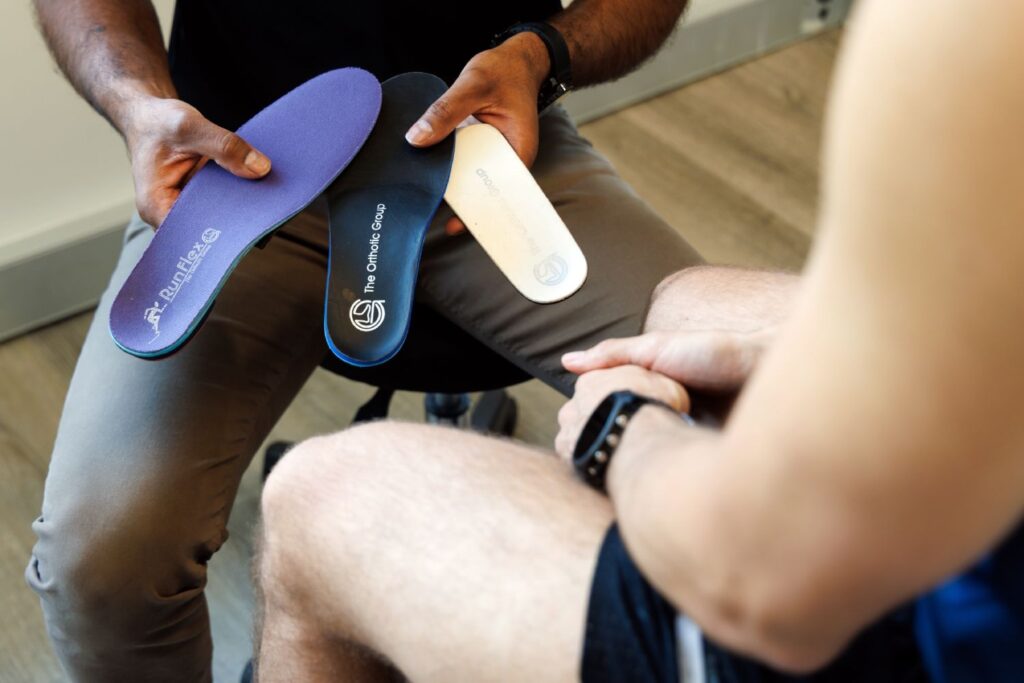
This can be particularly important for those who have deformities such as bunions or hammertoes, which can cause abnormal pressure points. Moreover, orthotics can help manage or correct foot abnormalities. Conditions like flat feet, high arches, or abnormal gait patterns are common among individuals with diabetes, leading to uneven pressure distribution. Custom orthotics can be designed to address these issues, ensuring the foot functions more naturally and reducing the risk of developing further complications. By aligning the foot in a more optimal position, orthotics can also reduce the strain on other joints and tissues, potentially preventing additional issues like joint pain or inflammation. For diabetic patients with poor circulation, orthotics can also aid in improving blood flow by alleviating pressure points and enhancing overall foot comfort. Better circulation is essential for preventing wounds from becoming infected or healing slowly. By preventing unnecessary friction and pressure, orthotics support healthier foot skin and reduce the likelihood of skin breakdown, making it easier for the body to heal itself.
The importance of proper footwear, often enhanced with orthotics, cannot be overstated. Wearing shoes that fit well, provide adequate arch support, and offer cushioning is essential for anyone with diabetes. In fact, many doctors recommend that diabetic patients wear specialized shoes in addition to custom orthotics to further prevent complications. These shoes are designed with additional room, particularly around the toes, to reduce the risk of friction and pressure. Regular check-ups with healthcare professionals are essential for monitoring foot health, especially for those with diabetes. Custom orthotics are not a one-size-fits-all solution but rather a personalized approach to managing foot health check my site for more details. Regular adjustments and replacements are often necessary as the feet change over time. Through a combination of proper footwear, customized orthotics, and ongoing foot care, diabetic patients can significantly reduce their risk of foot ulcers, injuries, and other complications, leading to better quality of life and fewer hospital visits.